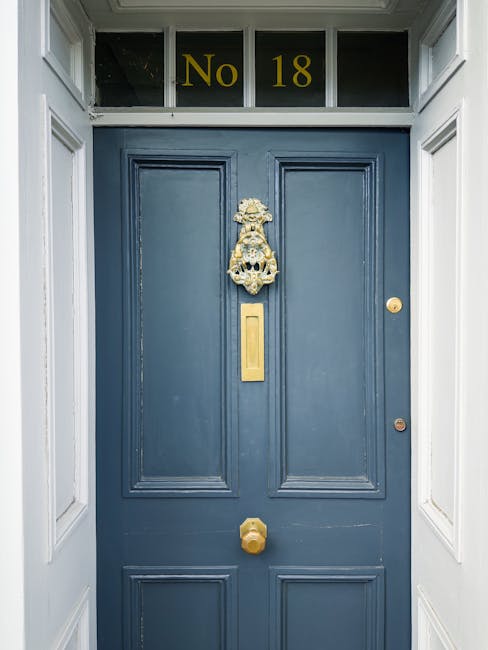
Narrow doorways in Georgian SE10 homes: fitting solutions
Posted on 10/06/2026
Georgian homes in SE10 have a lot going for them: charm, height, proper character, and those lovely proportions people fall for at first sight. But then you turn up with a sofa, a wardrobe, or a bed frame and suddenly the romance meets reality. Narrow doorways in Georgian SE10 homes: fitting solutions is not just a planning phrase; it is the difference between a smooth move and an awkward, sweaty stand-off in the hallway.
If you are trying to get furniture, appliances, or bulky belongings through a tight doorway, you need more than guesswork. You need measurements, a bit of patience, and the right method. In this guide, we'll look at why these doorways are such a common issue in Georgian properties, how fitting solutions actually work, and what practical steps can save time, money, and a fair bit of stress. To be fair, a lot of trouble can be avoided before anything is lifted at all.
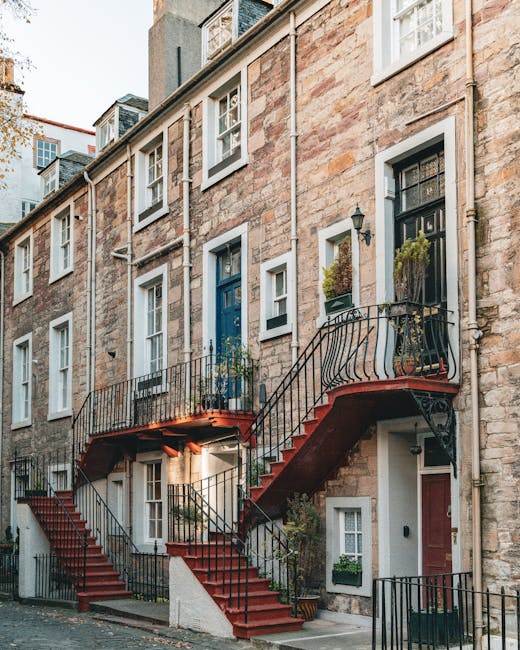
Why Narrow doorways in Georgian SE10 homes: fitting solutions Matters
Georgian properties were built in an era when interiors were designed around smaller-scale living, different furniture sizes, and a far less appliance-heavy way of life. In SE10, that often means elegant rooms paired with doorways that simply do not welcome modern bulk. A doorway that feels "fine" with your eye can still be too tight once you factor in handles, skirting, turns, and a little human wobble on the stairs. And yes, every extra millimetre matters more than people expect.
There are a few reasons this matters beyond the obvious inconvenience. First, there is the risk of damage to the item itself: chipped paint, split joints, torn fabric, or bent frames. Then there is the property risk: scuffed plaster, marked architraves, broken glass panels, and annoyed neighbours if things get noisy at the wrong time. There is also the emotional side. Moving day already feels full-on, and getting stuck halfway through a doorway can make the whole process feel bigger than it needs to be.
In SE10, local streets and parking realities can add another layer. If you are coordinating access around busy timings or awkward loading points, you may already be juggling enough without discovering that the dresser will not pivot cleanly at the threshold. That is why fitting solutions should be treated as part of the move plan, not an afterthought.
If you want a broader moving plan that fits the rhythm of a busy London move, it can help to look at your stress-free moving blueprint alongside the doorway planning itself. The more organised the move, the less likely you are to end up improvising with a sofa wedged diagonally in a hall at 4:30pm. Nobody wants that scene.
How Narrow doorways in Georgian SE10 homes: fitting solutions Works
At its simplest, fitting a bulky item through a narrow doorway comes down to three things: accurate measurement, smart orientation, and controlled movement. Sounds easy enough. In practice, the job can be surprisingly technical because the object rarely needs to fit in a neat straight line. It may need to tilt, rotate, or pass through at an angle while avoiding door furniture, banisters, radiators, and the sort of corner that seems designed to catch every edge.
Good fitting solutions usually start before the item even leaves the room. The mover checks the width, height, and diagonal opening of the doorway, then compares that against the item's widest points. For furniture, the widest point is not always obvious. It might be a sofa arm, a bed headboard curve, or a wardrobe handle that adds just enough to make the difference. Once the measurements are clear, the route is reviewed from room to exit: is there a bend in the corridor, a tight stair turn, or a low ceiling light? All of that matters.
From there, the solution may involve one or more of the following:
- removing doors from hinges to gain extra clearance
- taking off handles, feet, or detachable furniture parts
- using protective wraps and corner guards to prevent damage
- turning large items on edge or diagonally to change the effective footprint
- repacking or partially dismantling items before the move
- moving the item in stages rather than one straight push
That last point is often underrated. A careful staging approach can turn an impossible-looking gap into a manageable manoeuvre. It is not glamorous, but it works.
For heavy or awkward pieces, the lifting method itself matters too. Controlled, team-based handling reduces strain and makes rotation safer. If you are interested in the mechanics behind that, understanding kinetic lifting and its benefits gives useful context for why small changes in posture and momentum can make a large item easier to guide through a tight gap. And if you are dealing with especially awkward items, the advice in innovative approaches to solo heavy lifting is also worth a look, even if you are not planning to do it alone.
Key Benefits and Practical Advantages
The biggest benefit is obvious: you get the item where it needs to go without forcing it, damaging it, or damaging the property. But there are several other advantages that tend to show up only after people have gone through a few moves.
- Less risk of damage: careful fitting reduces the chances of scraped walls, chipped paint, broken legs, or torn upholstery.
- Better time control: measured planning is usually quicker than trial-and-error at the doorway.
- Lower physical strain: when the route is planned properly, there is less twisting, lifting, and repeated lifting.
- More options for large items: people often assume an item must be replaced when, in fact, it can simply be dismantled, adjusted, or moved differently.
- Cleaner move day decisions: if one item clearly will not fit, you can act early rather than discover that fact after half the team has arrived.
There is also a subtle but important benefit: confidence. Once you know a plan exists, the whole move feels less chaotic. You stop seeing every doorway as an obstacle and start seeing it as a problem with a method. That shift matters more than it sounds.
And if the item is going into storage first, it helps to think beyond the doorway itself. Items that are wrapped and stored well usually survive the process better. For example, how to maintain your sofa's quality in storage is relevant if you are moving now and settling later. Likewise, if you are dealing with a bed, the practical guidance in secrets to successfully moving your bed and mattress can save you from forcing a frame through a gap it never had a chance of clearing.
Who This Is For and When It Makes Sense
This topic is for anyone living in, moving into, or renovating a Georgian home in SE10 where the doorways feel a little stingy by modern standards. That includes long-term residents replacing furniture, landlords preparing a property for new tenants, students moving in with limited patience and too many boxes, and families trying to bring in bigger items without turning the hallway into an obstacle course.
It especially makes sense if any of the following apply:
- your furniture is flat-packed but still awkwardly wide once assembled
- you own older, solid-wood pieces that are not meant to be wrestled through tight entrances
- you have a stairwell or landing turn close to the front door
- your property has original Georgian proportions with narrow internal openings
- you are on a tight moving schedule and cannot afford repeated attempts
- you need to protect newly painted walls or freshly finished floors
It is also useful if you are deciding whether to move an item whole or dismantle it first. Not every sofa, wardrobe, or sideboard needs the same approach. In some cases, a simple hinge removal solves the issue. In others, the item itself needs to be broken down, or at least assessed with actual measurements rather than hopeful optimism. Let's face it, hope does not widen a doorway.
If your move is a smaller one, the planning still matters. A carefully timed move with a smaller vehicle can be a better fit for SE10 streets and access constraints, which is why services such as man with a van Maze Hill and removal van Maze Hill are often considered for tighter access situations. Not every move needs the biggest vehicle in the world; sometimes the smartest move is the more manoeuvrable one.
Step-by-Step Guidance
If you want the practical version, here it is. This is the sequence that tends to work best when narrow Georgian doorways are part of the picture.
- Measure the doorway properly. Measure the clear opening at the narrowest point, not just the visible frame. Include height, width, and any projections such as handles or mouldings.
- Measure the item in its real-world form. Don't rely only on the box or product listing. Measure the item with packaging, protruding feet, or removable parts still attached, because that is what will actually arrive at the door.
- Check the route. Look at corridors, stairs, corners, and landings. A doorway that seems impossible may be fine if the approach angle is right. Or not. Sometimes it really is just too tight.
- Decide whether to dismantle. Remove legs, arms, handles, shelves, or headboards if that gives a meaningful gain. Keep fixings in a labelled bag; otherwise, moving day turns into a miniature treasure hunt.
- Prepare protection. Use blankets, wraps, and corner protection so that the item and the property are both covered during the manoeuvre.
- Test the angle. Try the entry path slowly, adjusting tilt and rotation before committing. A dry run is often enough to show whether the plan is realistic.
- Move in controlled steps. One person guides, one steadies, and a third watches the clearances if available. Slow is usually faster than stopping to repair damage.
- Reassess if it catches. If it sticks, stop. Then adjust. Forcing it is how small problems become expensive ones.
If the item still will not pass, do not keep pushing just because you have already invested time. That is the sunk-cost trap in moving form. Better to step back, re-measure, and consider an alternative route or a different method.
Some people find it helpful to pair this with broader packing discipline. For instance, strategic packing techniques can reduce the number of bulky items needing special handling, while decluttering tips for a seamless home move can remove items you no longer need to squeeze through a tricky entrance at all. A less crowded move is, honestly, a calmer move.
Expert Tips for Better Results
The best doorway solutions are rarely dramatic. They are usually a set of small, practical decisions that add up. Here are the details that tend to make the biggest difference.
- Measure the actual clear opening, not the frame width on paper. Georgian frames often have decorative mouldings that change the usable space.
- Take off internal doors where possible. It sounds basic, but it can create a surprisingly useful extra margin.
- Protect corners before the move starts. Once a sofa edge catches a wall, the room suddenly feels a lot smaller.
- Use light, deliberate tilts. In many cases, the diagonal of an item is what matters more than its straight width.
- Plan for the return journey out of the room as well. Getting something in is only half the job; moving it back out later matters too.
- Keep a "pause and assess" mindset. A short stop to rotate or adjust is usually better than a full-force shove.
One small but useful habit is to photograph the doorway and the item side by side before moving day. It gives a visual record of what you are dealing with, and it helps later if you need to explain the issue to a remover or installer. Sounds a bit fussy, maybe. But it works.
Another tip: avoid scheduling too many other jobs around the same moment. If you are dealing with a doorway issue, you do not want to be rushing because the cleaner is due, the parking window is closing, or someone has already taken the old mattress away. Keep the load light. The move will thank you for it. If you are organising a wider move, maze hill moving map, parking access and loading on SE10 can be helpful for understanding how local access can shape the whole day.
![A close-up view of a black wooden front door set within a white classical-style surround on a brick Georgian townhouse in SE10. The door features a brass door knocker, letterbox, and handle, with small glass panels at the top arranged in a diamond pattern. The door is flanked by black wrought-iron railings and entrance steps with a black and white tiled doorstep. There are decorative white brackets supporting the canopy above the door, and the scene is lit with natural daylight. This setting illustrates the challenges of home relocation through narrow doorways typical of Georgian houses, where furniture and packing materials from [COMPANY_NAME] may require careful maneuvering during the loading process for house removals and furniture transport, especially in historic properties with limited access, as highlighted in the 'Narrow doorways in Georgian SE10 homes' page. The image captures the precise environment where professional movers often operate to facilitate efficient packing and moving within constrained entrance spaces.](/pub/blogphoto/narrow-doorways-in-georgian-se10-homes-fitting-solutions2.jpg)
Common Mistakes to Avoid
The most common mistake is trusting instinct over measurement. A doorway can look roomy enough until the item arrives. Then the corners, handles, or upholstery do all the talking. The second mistake is forgetting that Georgian homes often have twists, not just doors. A piece may pass the opening but fail on the turn immediately before it. That catches people out all the time.
Other mistakes worth avoiding:
- Ignoring skirting boards or door stops. These small details can reduce usable width more than expected.
- Forgetting removable parts. A sofa leg or bed post can be the exact thing preventing entry.
- Using too much force. If it does not fit, force usually makes the fit worse.
- Not protecting the route. Damage often happens on the approach, not only at the frame itself.
- Assuming "it was fine in the old house" means it will fit here. Different doorway geometry changes everything.
- Leaving the assessment too late. If you discover the issue when the van is already on site, you have fewer options and more pressure.
There is also a mental mistake: treating the problem as a sign that the item is wrong, when sometimes the issue is simply that the route needs a different strategy. A lot of good furniture gets blamed for being "too big" when the real issue is doorway geometry. Small distinction, big consequence.
Tools, Resources and Recommendations
You do not need a workshop full of gear, but a few sensible tools make a big difference. At minimum, it helps to have a tape measure, furniture blankets, protective wrap, a screwdriver set, and basic corner protection. A dolly or slider can help with movement through halls, though it will not solve a doorway problem by itself. It is a helper, not a magician.
For more complex moves, consider these practical resources and service types:
- Furniture dismantling support: useful if the item can be safely broken down and rebuilt.
- Professional loading and manoeuvring: helpful for heavy, fragile, or high-value pieces.
- Storage options: useful when the item should not be rushed into place or when rooms are not ready yet.
- Packing supplies: particularly for glass, corners, and movable parts that need sorting before transit.
If you are planning a move that involves larger items, it can also be worth checking service pages such as furniture removals Maze Hill, packing and boxes Maze Hill, and storage Maze Hill for the practical support that often sits behind a successful doorway solution. These are not about making the issue sound grand. They just reflect how a careful move is usually built from several small services, not one heroic lift.
If you want reassurance around business practices, safety, or how a move is handled, a useful starting point is the company's own policy pages. For example, insurance and safety, health and safety policy, and services overview can help you understand the standard of care you should expect before the move begins.
Law, Compliance, Standards, or Best Practice
For most homeowners or tenants, the key compliance issue is not a specialist Georgian rule; it is good moving practice, property care, and sensible risk management. In the UK, movers and property occupants generally need to be mindful of safe handling, avoiding damage, and not creating hazards in shared spaces. If there is a landlord, managing agent, or building management involved, it is wise to check access arrangements, any notice requirements, and how protection for communal areas should be handled.
Best practice usually means:
- protecting floors, walls, and door frames before moving begins
- using adequate manpower for heavy or awkward items
- not forcing items through openings that are clearly too tight
- keeping pathways clear to reduce trip hazards
- making sure lifting and carrying methods are reasonable for the weight involved
If you are handling especially heavy pieces, the safer route is often to use trained assistance rather than improvising. That is particularly true in older homes where narrow entrances often combine with stairs and awkward turns. The property may be charming; your lower back, less so.
For service expectations, it is also sensible to review cancellation terms, payment clarity, and complaint handling before booking. Those details are rarely exciting, but they do matter when plans change. Pages such as terms and conditions, payment and security, and complaints procedure help set expectations in a straightforward way. That kind of transparency usually makes the whole experience calmer.
Options, Methods, or Comparison Table
There is no single best answer for every Georgian doorway. The right option depends on the item, the doorway, the route, and how much adjustment you can make. Here is a simple comparison to help.
| Method | Best for | Pros | Limitations |
|---|---|---|---|
| Careful angled manoeuvre | Sofas, chairs, medium furniture | No dismantling needed, fast when it works | Needs enough corridor and turning space |
| Partial dismantling | Wardrobes, beds, tables | Creates more clearance, often practical | Takes time, requires tools and reassembly |
| Removing door leaves | General access improvement | Quick win for extra width | Not enough on its own for very bulky items |
| Protective routing and staging | Fragile or tight moves | Reduces damage risk, improves control | Slower, needs coordination |
| Professional moving assistance | Heavy, valuable, or awkward items | Less strain, better handling, fewer mistakes | Costs more than DIY |
For many SE10 homes, the answer is a combination of methods rather than one trick. For instance, a sofa may need the door leaf removed, the feet wrapped, and the item rotated diagonally by two people in a controlled sequence. That sounds involved because, well, it is. But it is still far better than forcing the issue.
Case Study or Real-World Example
Imagine a Georgian terrace in SE10 with a narrow front hall, a decorative door surround, and a living room sofa that looked perfectly normal in the shop. On delivery day, the sofa fits through the front door by a whisker, then catches on the turn into the lounge. Not dramatic enough to be a disaster, but awkward enough to stall the whole move.
The solution is not brute strength. First, the team measures the sofa again in its wrapped state, then removes the door leaf to gain the extra few centimetres needed at the frame. Next, the sofa is tilted so the narrowest edge leads, while one person guides the base and another keeps the fabric clear of the frame. After a few careful adjustments, it passes. No wall damage, no tears, and no shouting. A bit of relief all round.
That kind of outcome is common when the issue is treated as a planning challenge rather than a failure. In some cases, the item may still need to be stored before final placement, especially if the room is being redecorated or flooring is not ready. That is where smart staging and broader move planning can save the day. If you are dealing with a large move overall, house removals Maze Hill and flat removals Maze Hill are relevant examples of the sort of support people often look for when access is not straightforward.
Practical Checklist
Use this quick checklist before you try to move any bulky item through a narrow Georgian doorway.
- Measure the doorway at the narrowest point
- Measure the item with packaging or removable parts attached
- Check the hallway, staircase, and turning space
- Remove doors, handles, legs, or shelves where appropriate
- Protect walls, floors, and corners
- Decide who will guide, lift, and steady the item
- Plan the angle of entry before the item reaches the threshold
- Label screws and fittings for reassembly later
- Stop and reassess if the item catches
- Keep storage or backup plans in mind if the item cannot fit immediately
Expert summary: the best fitting solution is rarely the most forceful one. It is usually the one that combines accurate measurement, sensible dismantling, good protection, and a calm moving sequence. Simple, yes. Easy, not always.
Conclusion
Narrow doorways in Georgian SE10 homes do not have to turn moving day into a headache. Once you understand the geometry of the property and the real dimensions of the item, the problem becomes much more manageable. Sometimes the fix is as basic as removing a door leaf. Sometimes it is partial dismantling, careful tilting, or deciding that storage is the wiser short-term option. The important thing is to make the decision early, before the pressure is on.
If you are planning a move in one of these characterful homes, give the doorway as much attention as the van, the packing, or the furniture itself. That small bit of discipline can save hours later. And if you take nothing else from this guide, take this: measure properly, protect the route, and never rush the final inch. That inch is where the whole story changes.
Get a free quote today and see how much you can save.
In the end, the best moves feel steady rather than dramatic. A little care goes a long way, and it is often the quiet, practical decisions that make a Georgian home feel easy to live in.